“Promoting and making progress in equality, diversity, and inclusion in higher education has never been more important. However, we must acknowledge that we meet at a time when there are many challenges.”
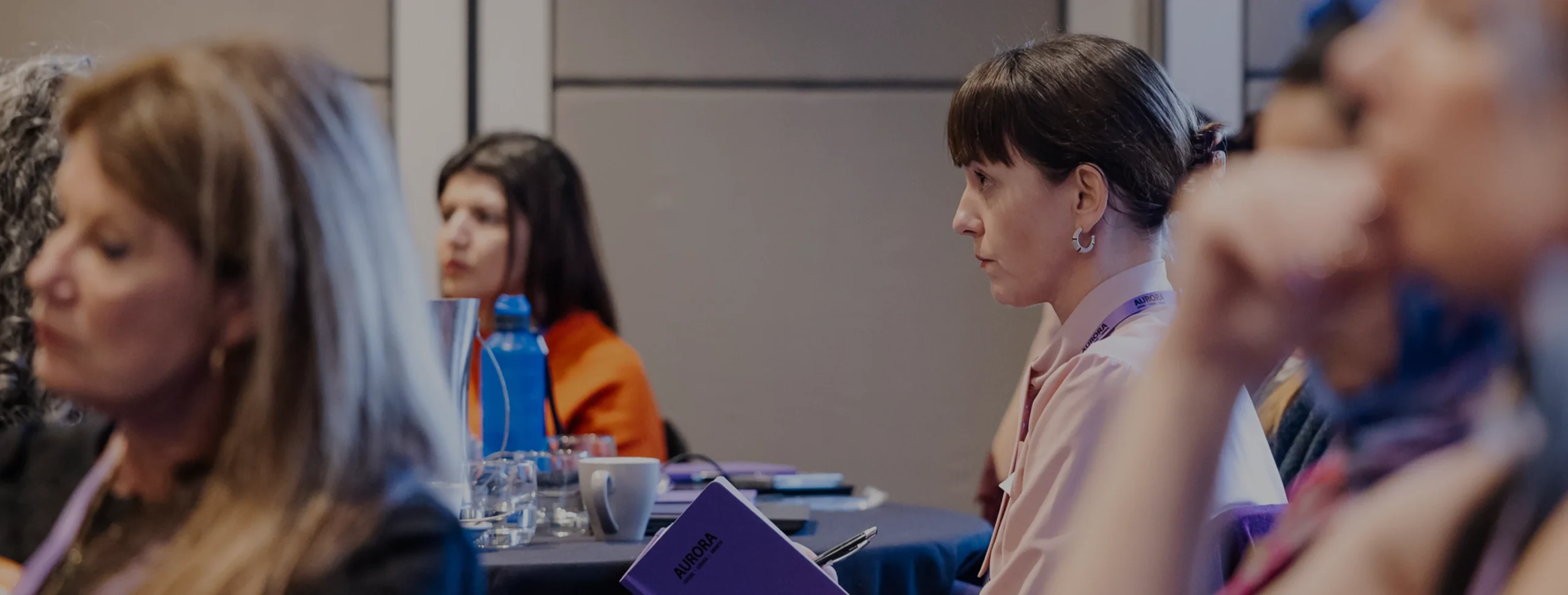
Advance HE’s annual Equality, Diversity and Inclusion conference opened today in Manchester, bringing together around 370 delegates for two days of presentations, discussion and shared learning. With more than 75 presentations and 20 poster presentations scheduled across the event, the conference provides one of the sector’s most substantial gatherings focused on EDI in higher education.
Opening the conference, Alistair Jarvis CBE, Chief Executive of Advance HE, set a frank and considered tone. Acknowledging the considerable external pressures facing higher education, he was clear that the complexity of the current environment makes the work of this conference more necessary, not less.
“Promoting and making progress in equality, diversity, and inclusion in higher education has never been more important. However, we must acknowledge that we meet at a time when there are many challenges.”
Alistair Jarvis highlighted the interplay between major global, political and ideological tensions and the day-to-day realities on campus, emphasising that these pressures, while often beyond institutions’ direct control, must not distract from the specific equalities challenges facing staff and students. He pointed to the Inclusive Institutions Framework, currently being rolled out by Advance HE, as a direct response to this complexity. Describing encouraging progress from the first cohort of participating institutions, he noted that the Framework offers a unified, evidence-based strategic approach designed to move beyond fragmented activity towards intersectional thinking and coordinated action. A second cohort will be opened later this year.
The opening keynote was delivered by Professor Donna Whitehead, Vice Chancellor of the University of Brighton, whose address explored what she described as a fundamental leadership paradox: that equity in higher education is vitally important, and yet the current climate may demand a more considered approach to how institutions speak about and pursue it. Drawing on her own experience at Brighton, she was candid about the gap that can exist between an institution’s inclusive values and the equity of its actual outcomes, noting degree awarding gaps and ethnicity pay gaps despite a genuine institutional commitment to inclusion.
A panel discussion on courage, pragmatism and inclusive leadership extended these themes further. Professor Frances Corner, former Vice Chancellor of Goldsmiths, University of London, and Professor Zainab Khan, Pro Vice Chancellor at London South Bank University, offered reflective and at times striking accounts of the practical challenges involved in leading on inclusion in the current environment. Both were notably candid about the tensions they have navigated: between values and institutional pressures, between speaking out and the risk of a chilling effect, and between the urgency of the work and the constraints of an extraordinarily difficult financial and regulatory landscape.
What emerged clearly from the opening session was that EDI is not a concern separate from the broader challenges facing higher education today. It sits at the heart of them. Questions of financial sustainability, leadership representation, student outcomes and institutional purpose are inseparable from the equality agenda. The speakers’ willingness to acknowledge this complexity openly, rather than set it aside, gave the conference a grounded and purposeful start.
The conference continues tomorrow, with further presentations and discussions spanning the full range of equality, diversity and inclusion themes in higher education.