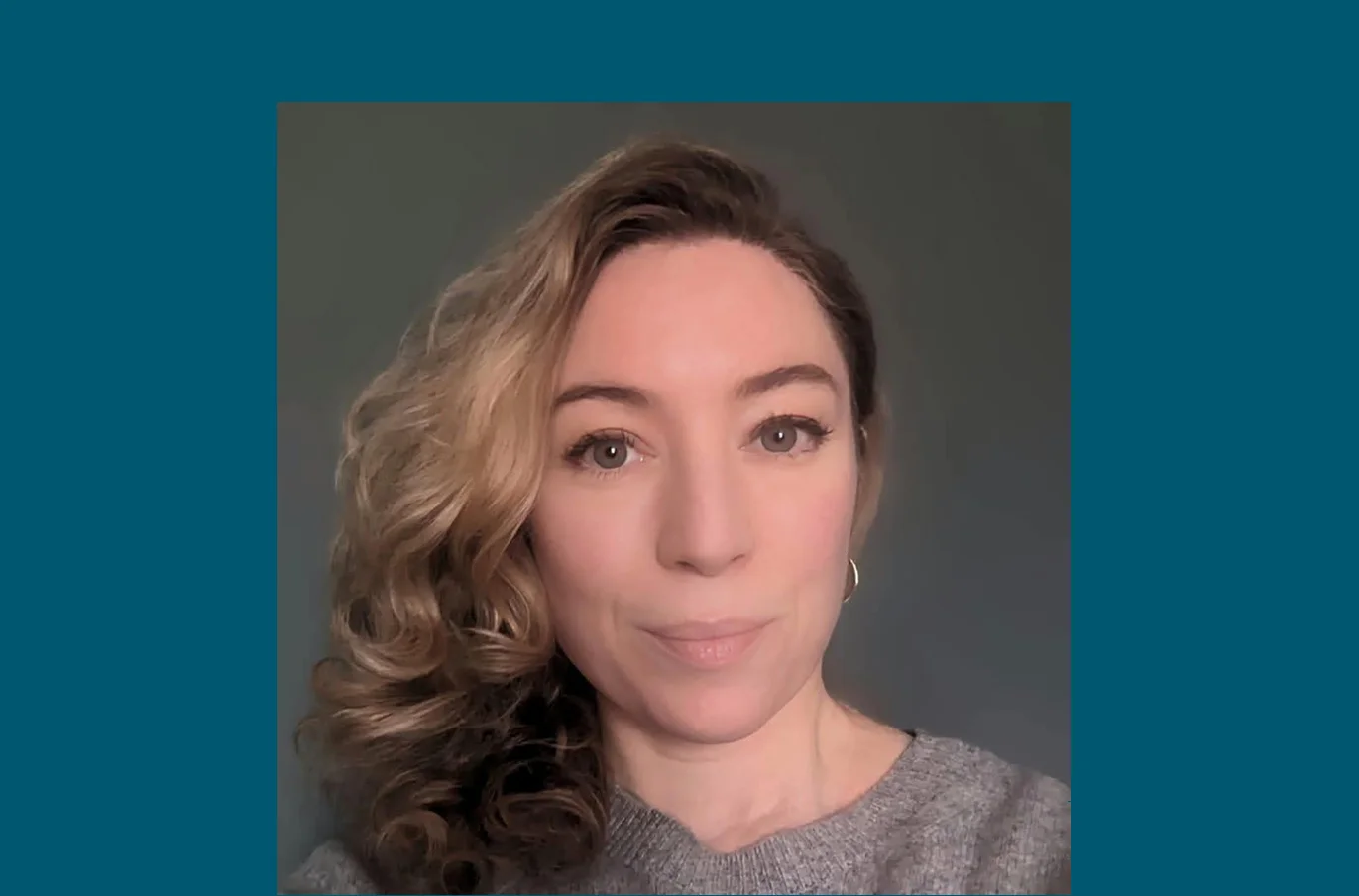
Katie Miller-Cole, Head of Student Wellbeing at Glasgow Caledonian University, sat down with us to talk about her experience of the Senior Women’s Leadership Development Programme.
When Katie Miller-Cole stepped into a permanent role as head of service, she found herself grappling with an issue facing leaders across UK higher education: how to make sound decisions in an increasingly difficult financial climate. For Katie, the timing of Advance HE’s Senior Women’s Leadership Development Programme (SWLDP) could not have been better.
“One of the biggest challenges facing all of us at present is financial challenges in the sector,” Katie explains. Having just taken up her post before starting the programme, she found the programme’s sessions on finance, budgeting and governance gave her the grounding she needed to engage confidently with the demands of her new role. She is open about how much of a difference it made to arrive in a senior post already equipped to interpret the numbers behind the decisions.
That practical knowledge is only part of what she took from the programme. Katie says SWLDP gave her the confidence to be more proactive in developing her own profile and that of her university, including taking the initiative to organise a sector-wide conference with colleagues, an idea she might otherwise have hesitated over.
“The training is one factor in me feeling confident and just getting on and acting on that idea, instead of kind of thinking about it and wondering if I should or could,” she says.
The programme also shaped how she thinks about visibility and influence. Beyond boosting her confidence to speak in more senior settings, it introduced strategies for network building and prompted her to reconsider how she approaches power and influence more broadly. For many women moving into senior leadership, these are skills rarely taught formally, picked up, if at all, through trial and error. SWLDP tries to close that gap, treating influence and network-building as skills to be developed rather than traits some leaders simply have and others don’t.
It is the peer support that stands out most to her, however: “I was struck by how supportive and generous the other women on the course were,” she says of the chance to share experiences of being a woman in senior HE roles. “It felt like a really useful space.”
Everyone on the course, she adds, created an environment where honest conversation about the specific pressures of senior leadership could happen without the usual guardedness. That sense of shared experience, she says, has also encouraged her to be more strategic and intentional about her own career and objectives, rather than simply reacting to whatever the role throws at her.
Asked why the programme might benefit other senior women in the sector, Katie points to the balance it strikes between knowledge-sharing and peer support. Technical areas such as finance, governance and networks are often assumed knowledge once someone reaches a senior role, she notes, yet how to actually acquire that expertise is rarely made clear.
“This was a really useful space for thinking and hearing from experts in the field, women experts as well,” she says, “which in itself is that kind of ‘if you can see it, you can be it’ stuff.” It’s a point that goes beyond the practicalities of budgets and governance, seeing women leading in these complex areas of university management, she suggests, is part of what makes the knowledge feel acquirable in the first place.
For Katie, the value of learning alongside other women goes further, creating a space to discuss challenges specific to women in senior leadership, building on her time on the Aurora programme. Taken together, the two programmes point to a pattern in what she has found most valuable: not just technical skills, but the chance to build them in the company of women facing similar challenges.
For anyone looking to build their confidence and understanding in the complex areas that come with senior leadership, finance, governance, networks and influence, she would “absolutely recommend” the programme, and the sense that comes through most strongly from her is one of relief: relief at finally having a space designed to teach what so many senior roles simply assume you already know.