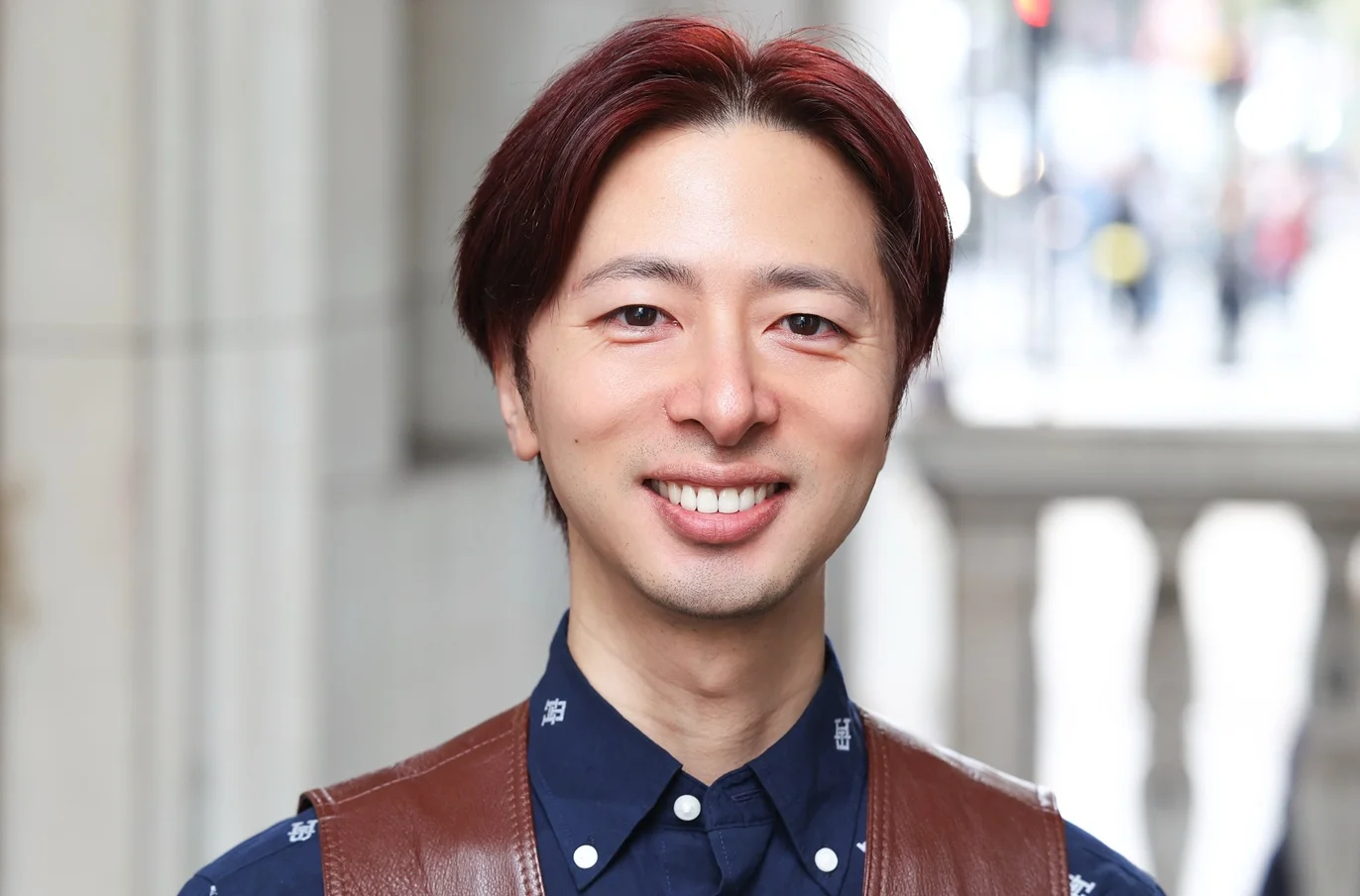
New National Teaching Fellow, Dr Shuangyu Li, Reader in Clinical Communication & Cultural Competency and Director of King’s Cultural Competency at King’s College London, reflects on what teaching excellence means to him.
As an international student arriving in the UK, I quickly realised that I was learning more than a subject. I was learning how to navigate a new educational culture, communicate across differences and find my place in an unfamiliar system. Those experiences taught me that success in education is not determined by intellectual ability alone. It is also shaped by confidence, resilience, belonging and whether learners feel valued.
Years later, as a National Teaching Fellow, I can see how profoundly those experiences have influenced my understanding of teaching excellence. They sparked my passion for communication, cultural competency and inclusion, and continue to shape my work today.
What the National Teaching Fellowship means to me
Receiving a National Teaching Fellowship is both an honour and a moment of reflection. When I first arrived in the UK, I could never have imagined receiving national recognition for my contribution to teaching and learning. For me, this Fellowship is not simply recognition of my own work. It reflects the many students, colleagues, mentors and collaborators who have shaped my journey.
Some of my most important lessons have come from students who generously shared their experiences of learning and professional life. Many of these accounts have been eye-opening, heart-warming and, at times, heart-breaking. I have also had the privilege of working with patients, including some of the most vulnerable members of our communities. Together, these experiences have deepened my commitment to equity and inclusion, which underpin both my educational practice and scholarship.
Above all, they have taught me humility and curiosity. The more I learn, the more I realise how much I have to learn from others, especially my students, who continually make me a better educator.
The Fellowship is particularly meaningful because it recognises work centred on the human dimensions of education: communication, empathy, cultural understanding and connection. It reinforces my belief that education can be a powerful force for positive change when learners are empowered to bring their whole selves into the learning environment.
Impact
For me personally, the Fellowship provides encouragement to continue pursuing educational innovation and interdisciplinary collaboration. For students, I hope it signals that their voices matter. Many of the initiatives I am most proud of have been developed in partnership with learners, whose insights have shaped curricula, research and educational practice.
For colleagues, I hope it creates opportunities for collaboration and dialogue. Teaching excellence is rarely an individual achievement. It emerges from collective efforts to improve learning and create opportunities for others.
Epitomising teaching excellence
For me, teaching excellence begins with care. Not care in the sense of losing ourselves in students’ emotions or blurring professional boundaries. Rather, care in the sense of recognising students as individuals and being genuinely committed to their growth and success.
It means creating environments where students feel respected, valued and supported, while also being challenged to realise their potential. Care requires the courage to be honest about limitations and mistakes, while communicating feedback with compassion and belief in a student’s capacity to improve. It is not about shielding learners from challenge but helping them grow through it.
Excellent teaching combines intellectual rigour with humanity. It recognises that diversity enriches learning and that educational success should never require students to leave important parts of their identity at the door. Instead, it creates spaces where learners can bring their full selves, experiences and perspectives into the learning process.
Ultimately, teaching excellence is measured not by what happens in a classroom, but by the lasting difference we make to people’s lives.
Maximising the impact
I see the National Teaching Fellowship as a platform rather than a destination.
I hope to use it to contribute to conversations around inclusive education, cultural competency and the responsible use of emerging technologies in learning and teaching. As AI becomes increasingly embedded in education, I am particularly interested in ensuring that innovation remains grounded in human values.
I also hope to support colleagues and future educational leaders through mentoring, collaboration and educational scholarship. Most importantly, I want to continue amplifying student voices and working in partnership with learners to shape positive educational change.
Advice for prospective NTFs
My advice would be simple: focus on making a difference, not on winning an award. The strongest National Teaching Fellowship applications grow out of a genuine commitment to improving the lives of learners. Rather than asking how to build an NTF application, ask what change you are trying to achieve and who benefits from it.
Most importantly, remain authentic. There is no single model of teaching excellence. The most compelling applications tell an honest story about what you value, why you care and how you have made a difference.
Teaching has taught me that excellent educators never stop learning. The more experience I gain, the more I value humility and curiosity: the humility to recognise that I do not have all the answers, and the curiosity to keep learning from others. Some of my greatest teachers have been my students, patients, colleagues and communities. The privilege of being an educator lies not only in helping others discover possibilities they may not yet see in themselves, but also in remaining open to being transformed by them in return.
Dr Shuangyu Li is Reader in Clinical Communication and Cultural Competency and Director of King’s Cultural Competency at King’s College London. His work spans medical education, professional education and higher education, with a particular focus on communication, cultural competency, inclusion and learner-centred educational innovation.